


Beyond Steel - New Material Fantasia of Metal Silicon, Metal Magnesium, and Silicon Carbide
Update time:2025-09-20 Click: 115
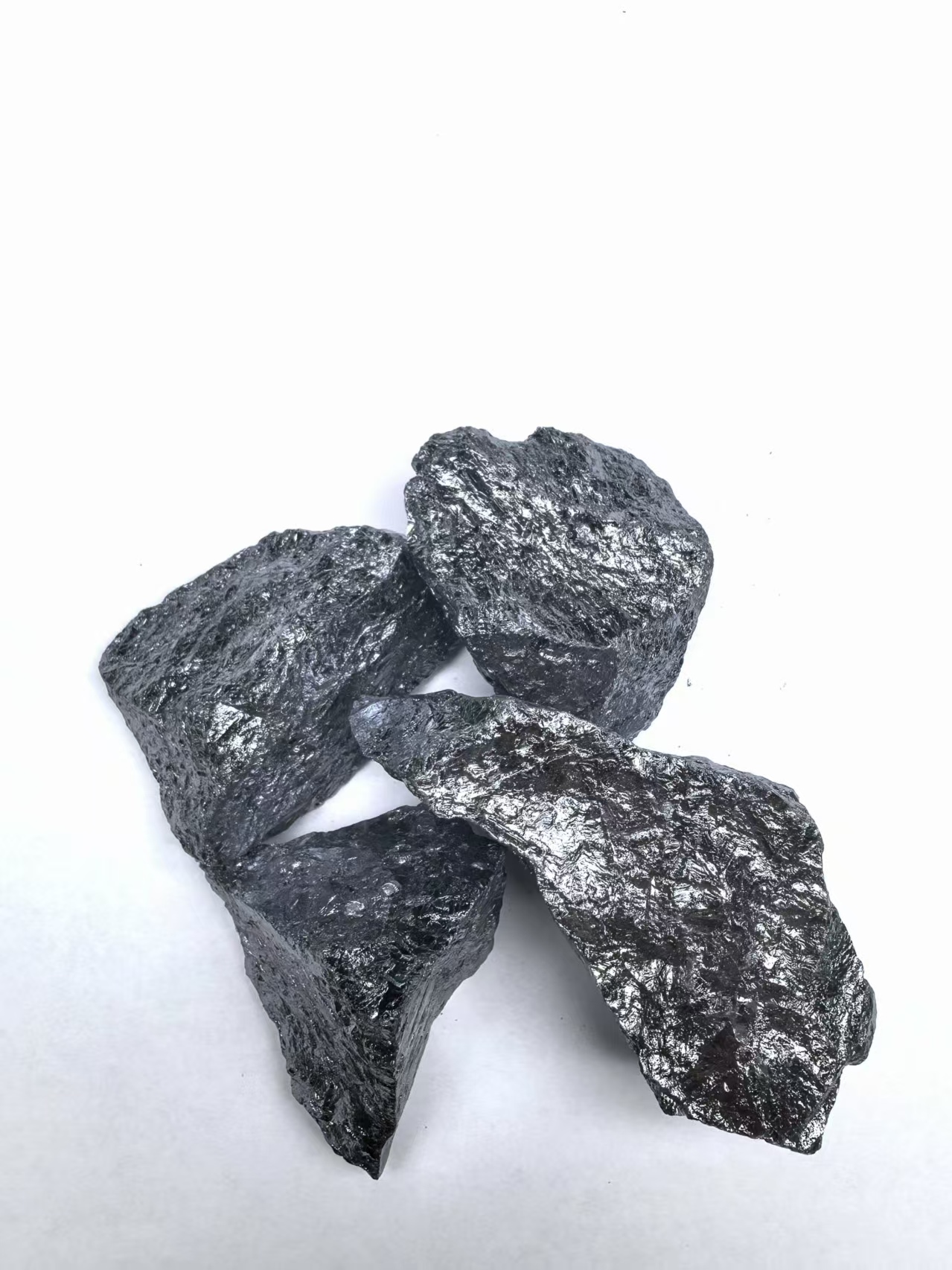
Leaving the 'black' home field, the manganese ferrosilicon players burst into a more brilliant 'colored' sky. Metallic silicon first becomes the cornerstone of semiconductors, and 3N grade silicon powder is purified into 9N polycrystalline silicon through Siemens technology, which is then drawn into 12 inch single crystals and sliced to become 95% of the raw material for photovoltaic cells. By 2025, the annual demand for photovoltaic grade metallic silicon in China has exceeded 2 million tons. The "green power" factories in Qinghai and Inner Mongolia combine water electrolysis with mineral heat furnaces, reducing the carbon footprint per kilogram of metallic silicon to 8 kg CO ₂, which is only 45% of the traditional route. Metal magnesium ingots are made even lighter. The density of 1.74 g/cm ³ makes it a "weight reducing partner" for aluminum alloys. The subframe of the new energy vehicle is made of Al-5% Mg alloy, which reduces the overall weight by 18 kg and increases the range by 12 km. The more advanced "magnesium based solid-state hydrogen storage" technology utilizes the hydrogen storage density of MgH ₂ 7.6 wt% to pack green hydrogen into the alloy "pocket", providing fuel cell heavy-duty trucks with a range of over 700 kilometers. Silicon carbide directly "seals" the third-generation semiconductor. 4H SiC wafers can still maintain a withstand voltage of 2.5 kV at 175 ℃. After replacing the main drive inverter of Tesla Model 3 with SiC MOSFET, the efficiency increased by 3.5%, and the battery capacity was saved by 5 kWh, which is equivalent to saving the car owner 6000 yuan in battery costs. The domestic silicon carbide projects in Ningxia and Shandong have laid out metallurgical grade SiC and semiconductor grade SiC in the same furnace, using the "metallurgical wafer maintenance" model to reduce costs by 20%, allowing domestic new energy vehicles to get the "cost reduction" ticket ahead of others. From steel bars and bones to chip batteries, these seemingly cold alloys and elements are sending humanity to a lighter, faster, and greener future in an invisible way.
-
Prev:Nothing
-
{data.next_page}