


-
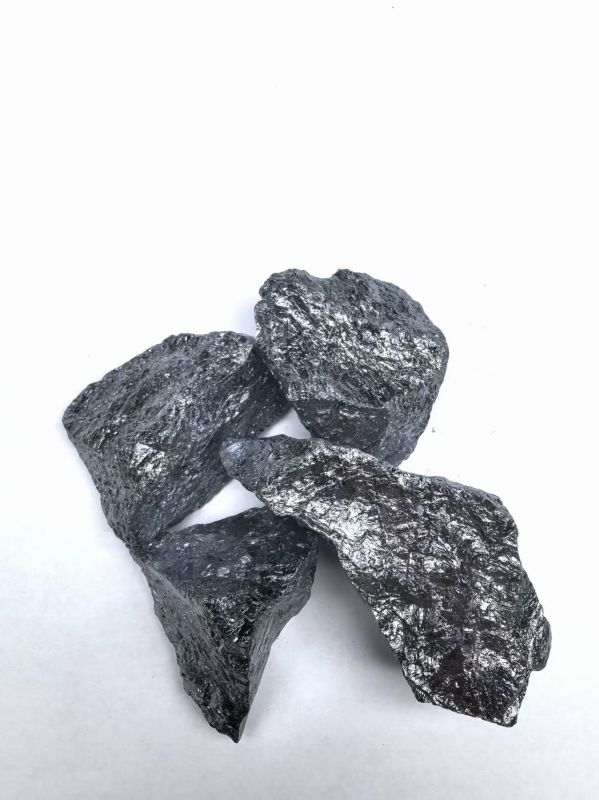 Beyond Steel - New Material Fantasia of Metal Silicon, Metal Magnesium, and Silicon CarbideLeaving the 'black' home field, the manganese ferrosilicon players burst into a more brilliant 'colored' sky. Metallic silicon first becomes the cornerstone of semiconductors, and 3N grade silicon powder is purified into 9N polycrystalline silicon through Siemens technology, which is then drawn into 12 inch single crystals and sliced to become 95% of the raw material for photovoltaic cells. By 2025, the annual demand for photovoltaic grade metallic silicon in China has exceeded 2 million tons. The "green power" factories in Qinghai and Inner Mongolia combine water electrolysis with mineral heat furnaces, reducing the carbon footprint per kilogram of metallic silicon to 8 kg CO ₂, which is only 45% of the traditional route. Metal magnesium ingots are made even lighter. The density of 1.74 g/cm ³ makes it a "weight reducing partner" for aluminum alloys. The subframe of the new energy vehicle is made of Al-5% Mg alloy, which reduces the overall weight by 18 kg and increases the range by 12 km. The more advanced "magnesium based solid-state hydrogen storage" technology utilizes the hydrogen storage density of MgH ₂ 7.6 wt% to pack green hydrogen into the alloy "pocket", providing fuel cell heavy-duty trucks with a range of over 700 kilometers. Silicon carbide directly "seals" the third-generation semiconductor. 4H SiC wafers can still maintain a withstand voltage of 2.5 kV at 175 ℃. After replacing the main drive inverter of Tesla Model 3 with SiC MOSFET, the efficiency increased by 3.5%, and the battery capacity was saved by 5 kWh, which is equivalent to saving the car owner 6000 yuan in battery costs. The domestic silicon carbide projects in Ningxia and Shandong have laid out metallurgical grade SiC and semiconductor grade SiC in the same furnace, using the "metallurgical wafer maintenance" model to reduce costs by 20%, allowing domestic new energy vehicles to get the "cost reduction" ticket ahead of others. From steel bars and bones to chip batteries, these seemingly cold alloys and elements are sending humanity to a lighter, faster, and greener future in an invisible way.2025-09-20
 -
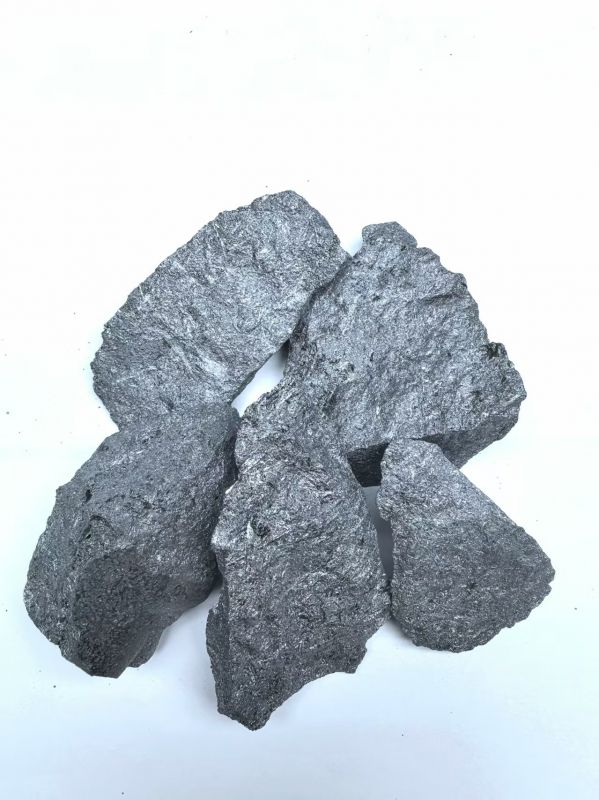 The Trio of Silicon, Carbon, and Manganese: The Low Alloy Steel Code of Silicon Manganese and Silicon IronIf there were orchestras in the steel world, silicon manganese would be the conductor and silicon iron would be the violin. The "music score" of silicon manganese alloy is written in the state diagram: MnSi is more stable, with higher silicon content and lower carbon content, making high silicon silicon manganese the secret weapon for carbon reduction in 200 series stainless steel. In the flames of 1650 ℃ in the electric furnace, silicon manganese undergoes deoxidation and then alloying, refining the originally loose molten steel into a delicate and silky texture. Silicon iron follows the "high silicon route". When FeSi75 comes out of the furnace, it looks like orange gold magma, which is crushed into particles of 3-8mm in size. When it is put into molten steel, it hisses and sings instantly, and the oxygen content can be reduced to below 60 ppm within 10 seconds. What is even more valuable is that ferrosilicon is still the "magnetic manager" - adding 2 to electrical steel. 5% silicon reduces iron loss by 25%, resulting in a decrease of two decibels in transformer noise. The synergy between the two reaches its peak in HRB400E seismic resistant steel bars: silicon manganese provides fine grain strengthening, silicon iron fixes nitrogen, reduces aging tendency, stabilizes yield strength above 400 MPa, and post fracture elongation exceeds 18%. Don't underestimate this 1% alloy increment, it allows high-rise buildings to withstand earthquakes for an extra 5 seconds, winning a golden escape window for life.2025-09-20
 -
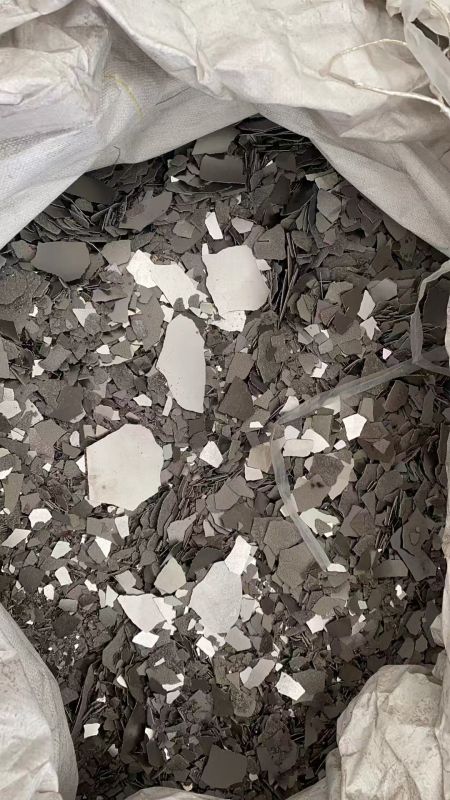 From mines to steel mills - a modern journey of electrolytic manganese flakes and manganese alloysManganese is not magnesium, but it is equally astonishingly "light" - here "light" refers to its low-key and efficient presence in steel. Put the manganese carbonate powder into the leaching tank, dance a "waltz" with sulfuric acid, and then purify, electrolyze, and peel off. A silver gray, shiny and rough electrolytic manganese sheet is born. There are four grades from DJMnA to DJMnD, with a melting point of 1244 ℃, making it the "monosodium glutamate" in special steel smelting - only 60 g per ton of steel is needed, but it can simultaneously improve strength, toughness, and corrosion resistance by one level. If electrolytic manganese flakes are detached and enter the alloy ring, they will have a different CP composition from iron, silicon, and carbon. High carbon manganese iron is like a tough guy, mainly focusing on wear-resistant steel and track steel; Low carbon manganese iron transforms into a warm-hearted man, tightening the grain size and enhancing the ductility of stainless steel. Silicon manganese alloy is a golden partner: the ratio of Mn ≈ 60% and Si ≈ 14% results in a melting point of only 1270 ℃ for the deoxidation product MnSiO ∝, with large particles that are prone to floating. The steelmaking burn rate drops from 46% to 29%, saving 3-5 yuan per ton of steel cost. Don't underestimate these few dollars, a group with an annual output of millions of tons can earn an extra sports car in a year. Raise the perspective even higher, and the manganese based alloy is dancing with the "dual carbon". After the mainstream steel mills in China changed the blast furnace converter process to electric furnace continuous casting, the manganese recovery rate increased by 6% and dust emissions decreased by 40%. The more advanced "hydrogen metallurgy" test line has attempted to reduce manganese ore with hydrogen gas, with only water vapor as a byproduct. It can be imagined that in the future, manganese will wear a green coat and continue to protect the "hardcore" romance of steel.2025-09-20