


The Trio of Silicon, Carbon, and Manganese: The Low Alloy Steel Code of Silicon Manganese and Silicon Iron
Update time:2025-09-20 Click: 56
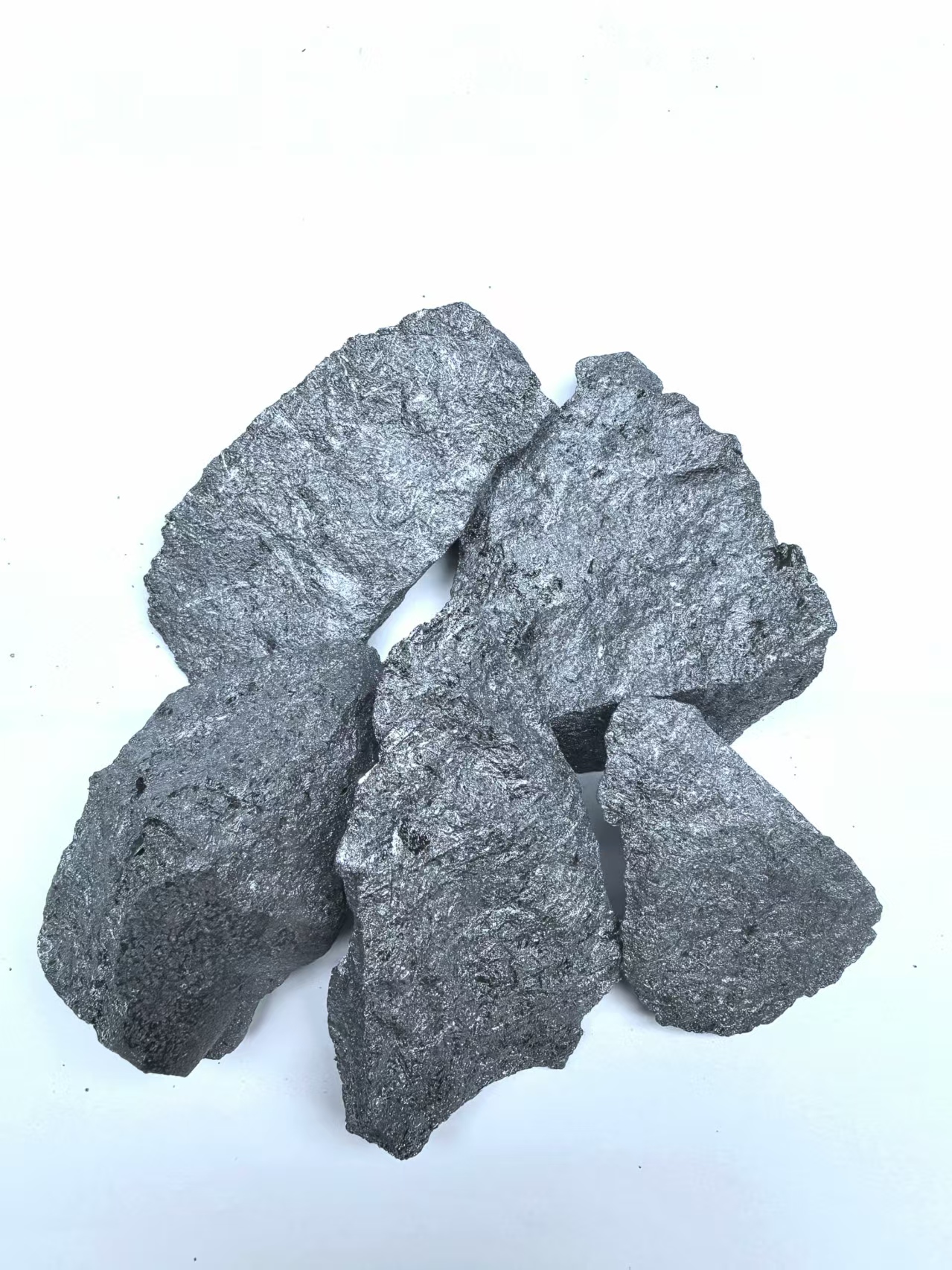
If there were orchestras in the steel world, silicon manganese would be the conductor and silicon iron would be the violin. The "music score" of silicon manganese alloy is written in the state diagram: MnSi is more stable, with higher silicon content and lower carbon content, making high silicon silicon manganese the secret weapon for carbon reduction in 200 series stainless steel. In the flames of 1650 ℃ in the electric furnace, silicon manganese undergoes deoxidation and then alloying, refining the originally loose molten steel into a delicate and silky texture. Silicon iron follows the "high silicon route". When FeSi75 comes out of the furnace, it looks like orange gold magma, which is crushed into particles of 3-8mm in size. When it is put into molten steel, it hisses and sings instantly, and the oxygen content can be reduced to below 60 ppm within 10 seconds. What is even more valuable is that ferrosilicon is still the "magnetic manager" - adding 2 to electrical steel. 5% silicon reduces iron loss by 25%, resulting in a decrease of two decibels in transformer noise. The synergy between the two reaches its peak in HRB400E seismic resistant steel bars: silicon manganese provides fine grain strengthening, silicon iron fixes nitrogen, reduces aging tendency, stabilizes yield strength above 400 MPa, and post fracture elongation exceeds 18%. Don't underestimate this 1% alloy increment, it allows high-rise buildings to withstand earthquakes for an extra 5 seconds, winning a golden escape window for life.
-
{data.next_page}